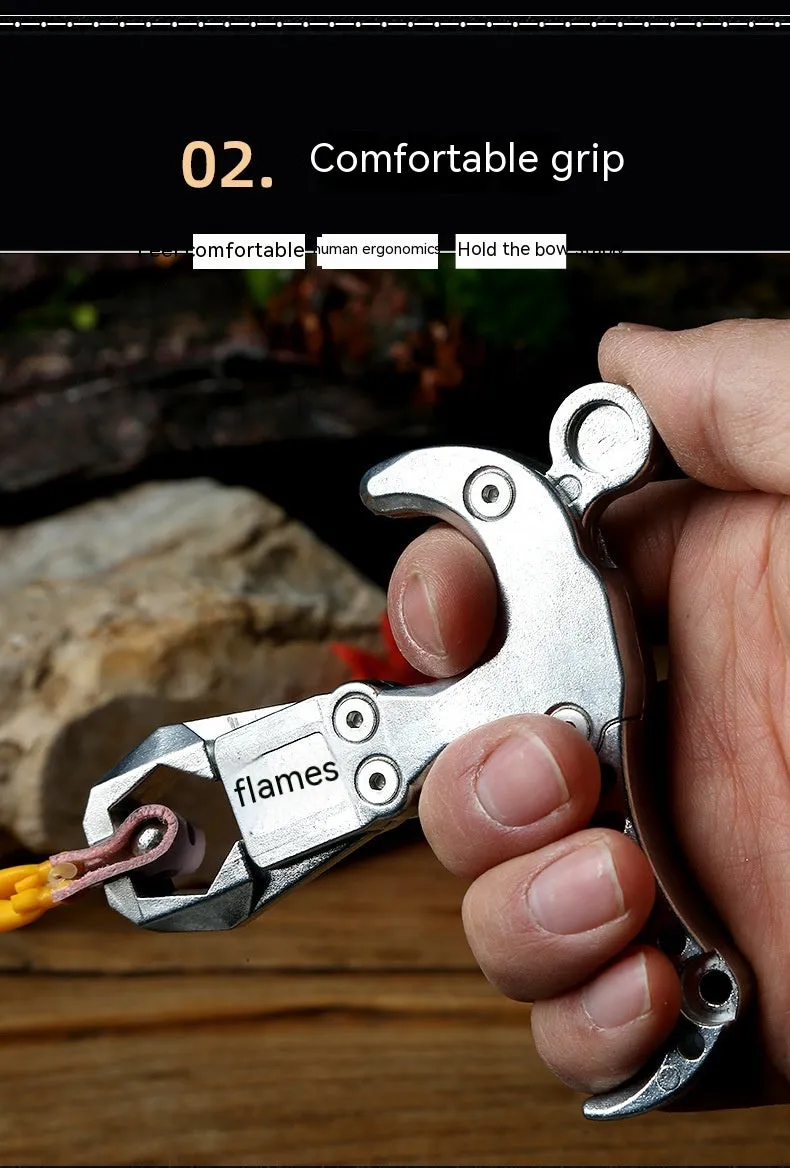
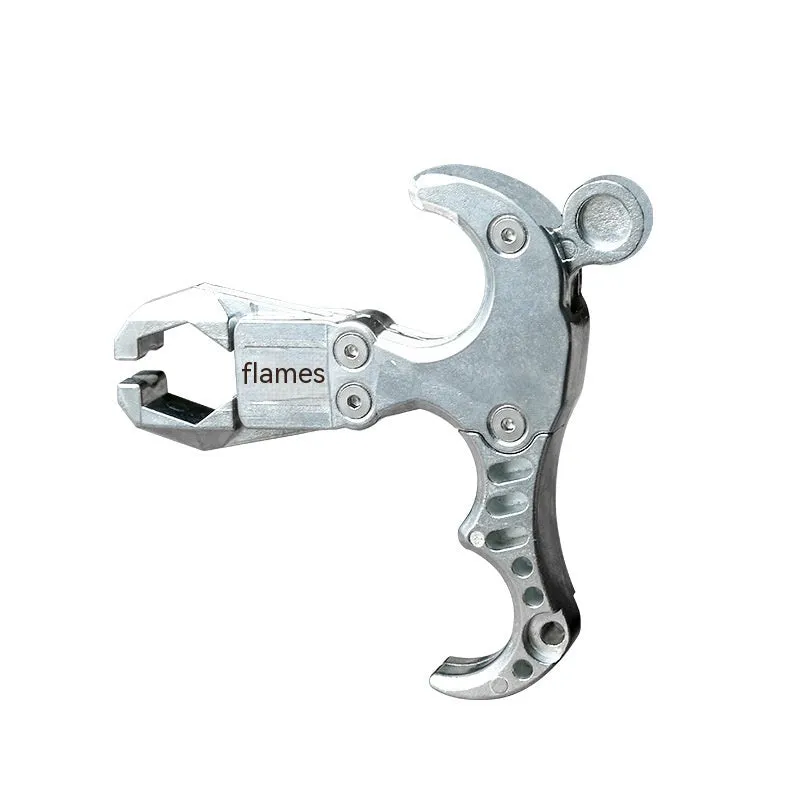
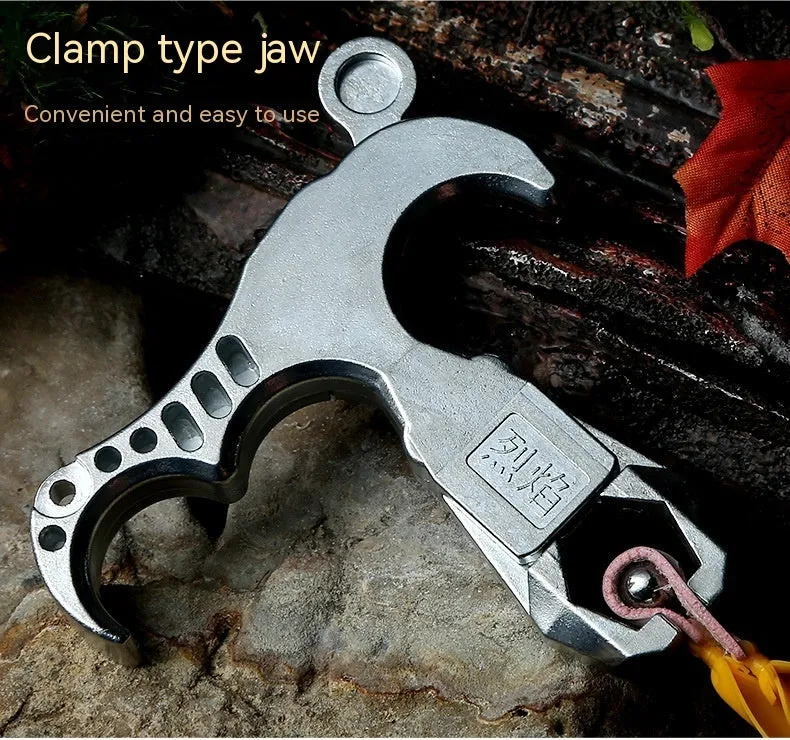
Alloy Release Aid Two-axis Harpoon Clip archery accessory zinc alloy stainless steel bow release aid device hunting archery equipment with spring-loaded jaws and rotating axis for smooth trigger action.


Alloy Release Aid Two-axis Harpoon Clip archery accessory zinc alloy stainless steel bow release aid device hunting archery equipment with spring-loaded jaws and rotating axis for smooth trigger action.
Zinc Alloy Archery Release Aid with Two-Axis Harpoon Clip for Bowstring Attachment

This metal archery release aid is designed as a handheld device to assist archers in achieving a consistent and smooth release of the bowstring. It provides an alternative to using fingers directly on the string, which can help reduce string torque and improve shot consistency. The product's core construction utilises zinc alloy for the main body, giving it a solid and robust feel in the hand, complemented by stainless steel components in its mechanism. Its defining feature is the harpoon-style clip, which is intended for quick and secure fastening onto a D-loop attached to your bowstring, making it a practical choice for hunters and target shooters seeking a mechanical release aid.
Features and Construction
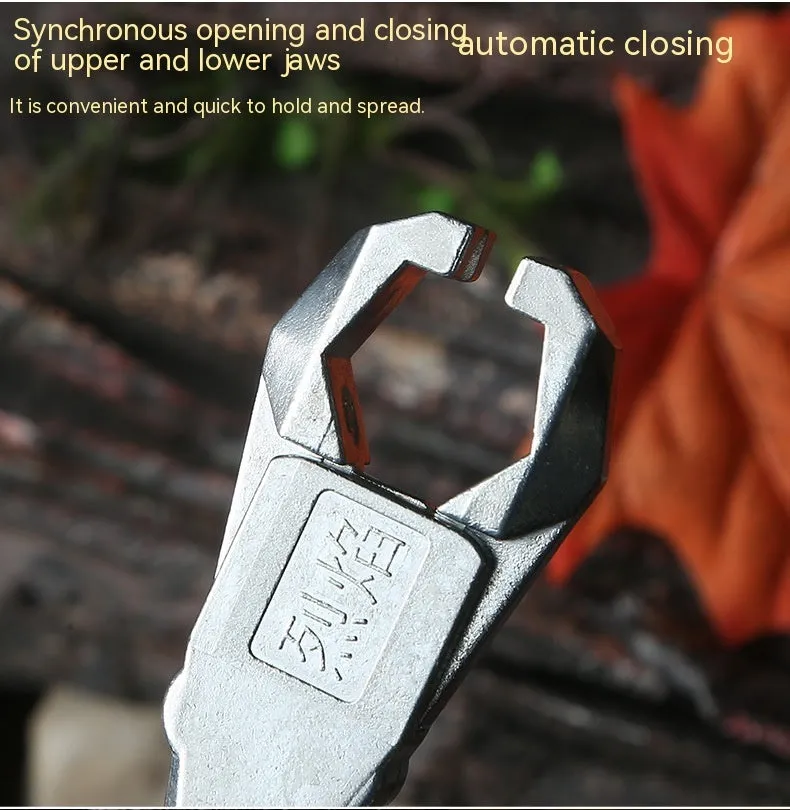
The release aid is built around a functional metal design prioritising reliability and a straightforward interface with your archery equipment. Its construction focuses on delivering a consistent trigger action through its mechanical components.
Material and Build
The primary material specified is zinc alloy, forming the main body and structural parts of the release aid. This alloy provides a weighty, durable base material. The product also incorporates stainless steel components, which are typically used for moving parts like the trigger axis or spring housing due to their resistance to corrosion and ability to maintain a smooth action over time. The build is entirely metallic, as described, without any mention of plastic or composite parts.
Size and Practical Fit
While exact dimensions are not provided, the product is a handheld device designed to be operated with one hand. The harpoon clip is a key part of its size profile, protruding from the body to engage with the bowstring's D-loop. The lack of specific measurements suggests it conforms to a standard size for such release aids, intended to fit comfortably in an average adult hand and function with common bowstring D-loop sizes used in modern archery.
Uses and Placement

This device serves a clear function within archery, bridging the gap between the archer's hand and the bowstring to standardise the release point. Its design caters to scenarios where repeatability is valued.
Event or Professional Use
For target archery or competition shooting, the two-axis rotating mechanism is a relevant feature. This design aims to minimise lateral pressure or torque on the string at the moment of release, which can influence arrow flight. A consistent, smooth trigger pull, aided by the spring-loaded jaws, allows the archer to focus on aim and execution rather than finger placement, potentially supporting tighter grouping on the target face at various ranges.
Everyday Home Use
For hobbyists, hunters, or those practising in a garden range, the harpoon clip offers significant practical benefit. It allows for faster string attachment and detachment compared to some caliper-style releases, which can be advantageous when moving through hunting terrain or during repetitive practice sessions. The all-metal construction suggests it can withstand the rigours of regular use and outdoor conditions without the concerns of plastic parts cracking or wearing quickly.
Benefits and Buying Value

The value of this product lies in its specific construction and functional design, offering a tangible tool for archers looking to modify or improve their release technique without resorting to complex, high-end devices.
Reuse and Low Maintenance
The use of metals like zinc alloy and stainless steel indicates a product built for repeated use. Metal components generally do not degrade with routine handling and are less susceptible to damage from UV exposure or temperature changes than plastics. Maintenance is straightforward, typically involving occasional cleaning of the mechanism and checking for free movement of the rotating axis and trigger jaws, aligning with the low-risk guidance of wiping with a dry cloth.
Why Choose This Product
This release aid stands out for its specific combination of a zinc alloy body, two-axis trigger mechanism, and harpoon clip. It represents a mid-ground option: more consistent than a finger release, yet potentially simpler and more robust than some intricate, multi-adjustable competition releases. For an archer seeking a durable, no-fuss mechanical release that attaches securely via a D-loop, this product's stated materials and design directly address that need.