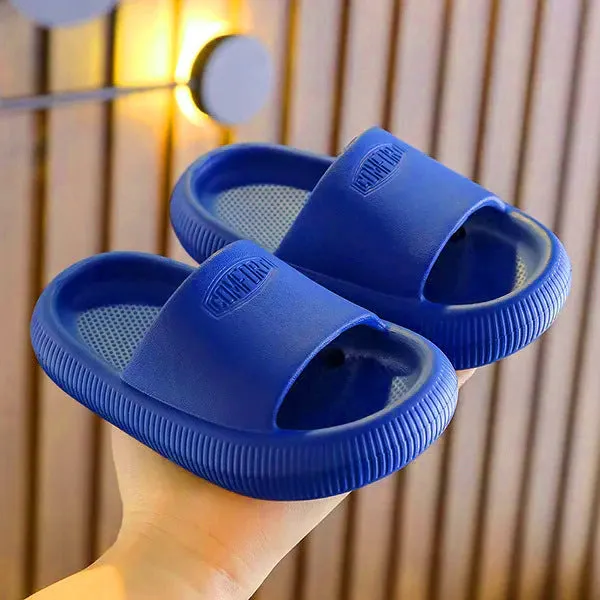
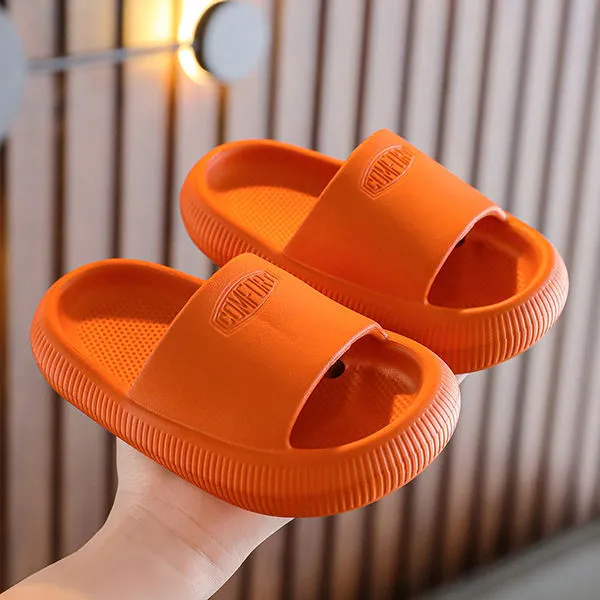
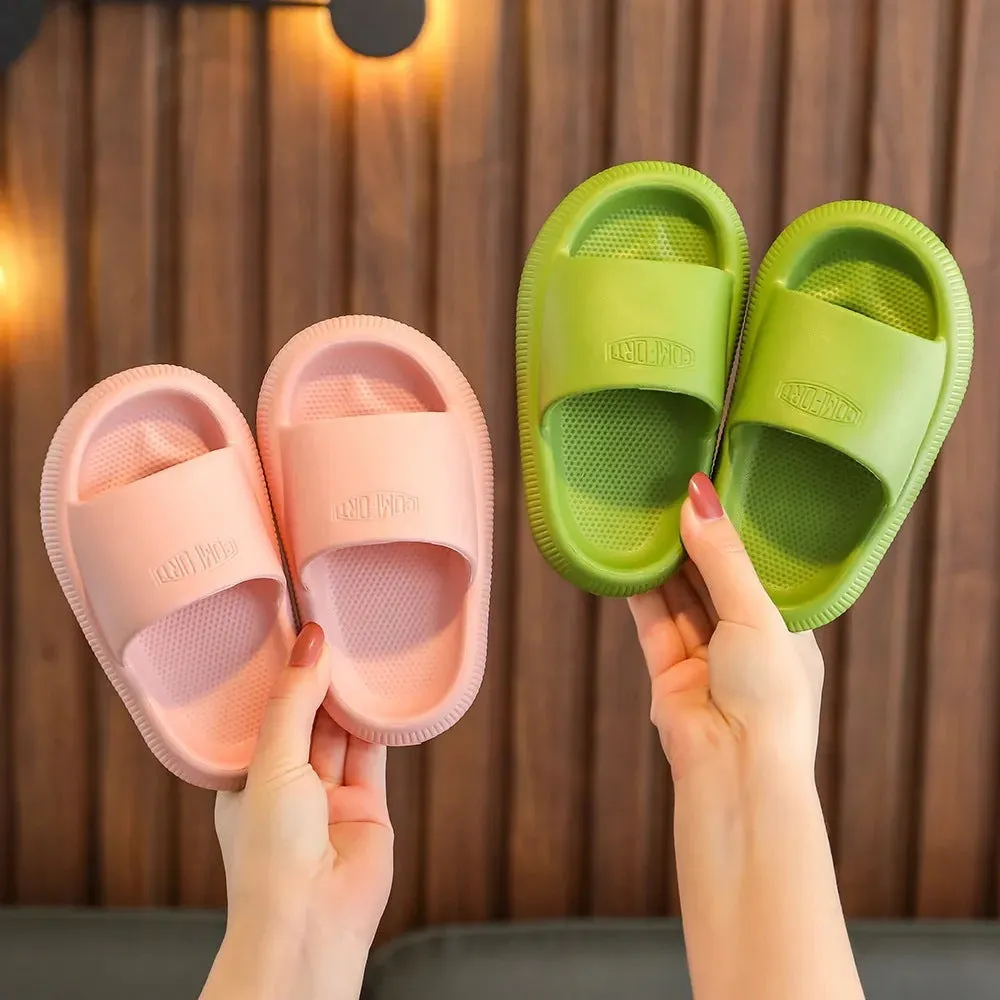
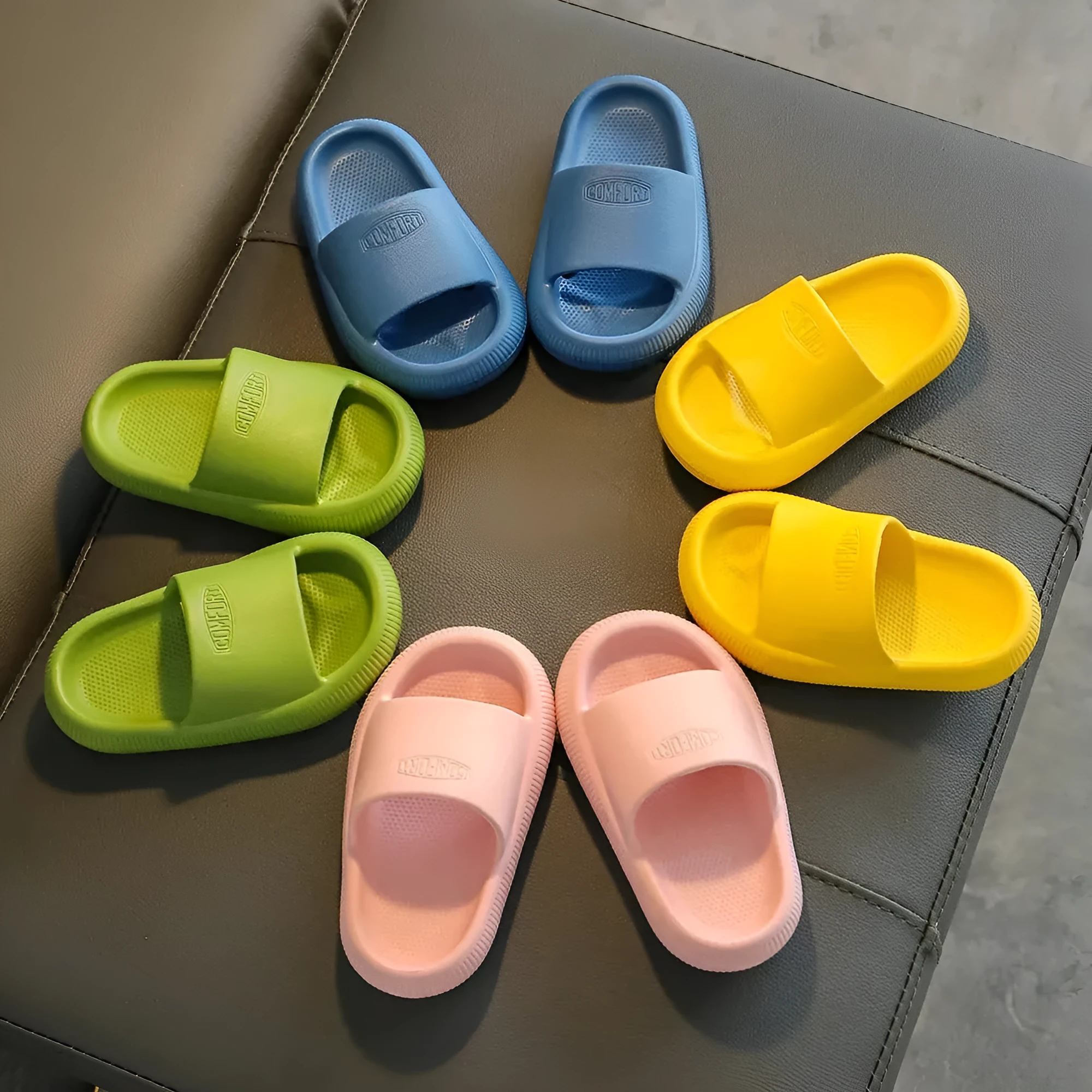
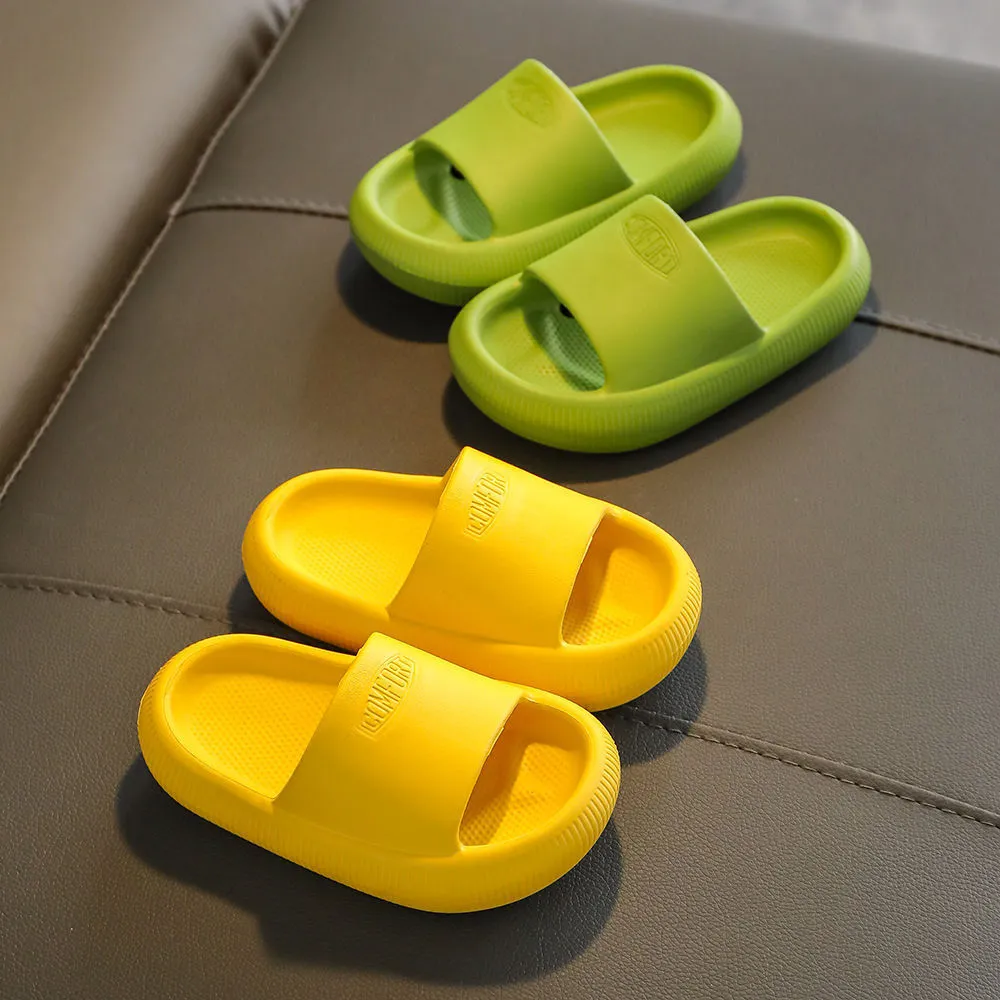
Children's home slippers with injection-moulded EVA sole featuring 1.5cm to 3.5cm thickness, non-slip wear-resistant design, available in six UK child sizes from 15.5cm to 21.5cm in five bright mixed colours.


Children's home slippers with injection-moulded EVA sole featuring 1.5cm to 3.5cm thickness, non-slip wear-resistant design, available in six UK child sizes from 15.5cm to 21.5cm in five bright mixed colours.
Children's EVA Slippers with Injection-Moulded Non-Slip Soles in Five Bright Colours
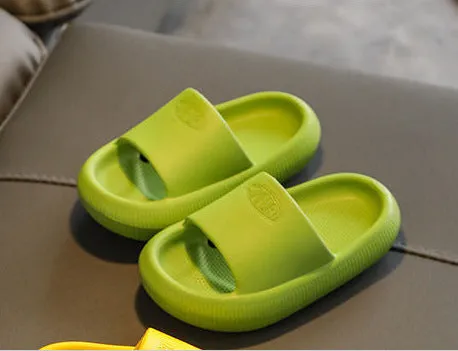
Designed for comfort and safety in the home, these children's slippers are constructed entirely from EVA (Ethylene-Vinyl Acetate) using an injection-moulding process. This method creates a one-piece design that integrates the upper and sole, resulting in a seamless build focused on practicality. The stated features include non-slip and wear-resistant properties, addressing key concerns for parents looking for reliable indoor footwear for active children. Available in a range of five vibrant mixed colours and six precise UK child sizes, these slippers offer a straightforward choice based on colour preference and accurate foot measurement.
Features and Construction
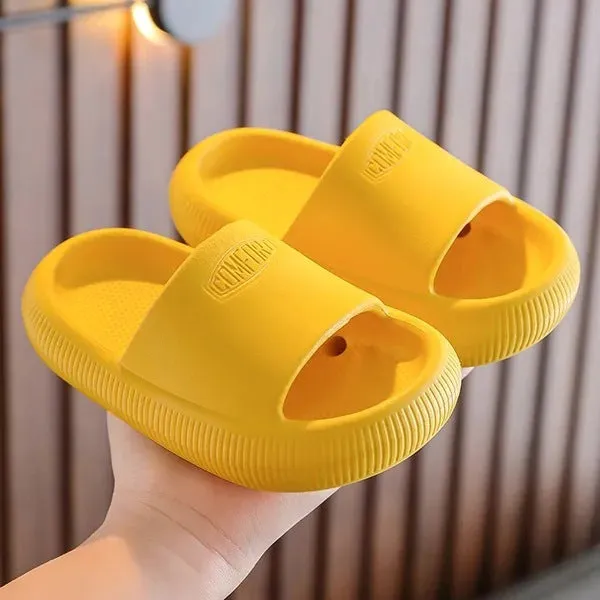
The primary construction feature is the use of injection moulding for the EVA material. This process influences the slipper's overall form, durability, and the integration of its non-slip sole pattern.
Material and Build
Both the upper and the sole of these slippers are made from EVA. This single-material construction via injection moulding means there are no glued seams that might separate, which is a common point of failure in children's footwear. EVA is selected for its lightweight nature, flexibility, and the cushioning it provides, which can be beneficial for developing feet during everyday indoor play and relaxation.
Size and Practical Fit
The slippers are offered in six distinct sizes, each corresponding to a specific foot length measurement rather than a single standard size. The sizes are: 15.5cm (for sizes 24-25), 16.5cm (26-27), 18cm (28-29), 19.5cm (30-31), 20.5cm (32-33), and 21.5cm (34-35). This detailed sizing allows for a more precise fit based on your child's current foot length, which is important for both comfort and the effectiveness of the non-slip features. The sole has a stated thickness ranging from 1.5cm to 3.5cm.
Uses and Placement
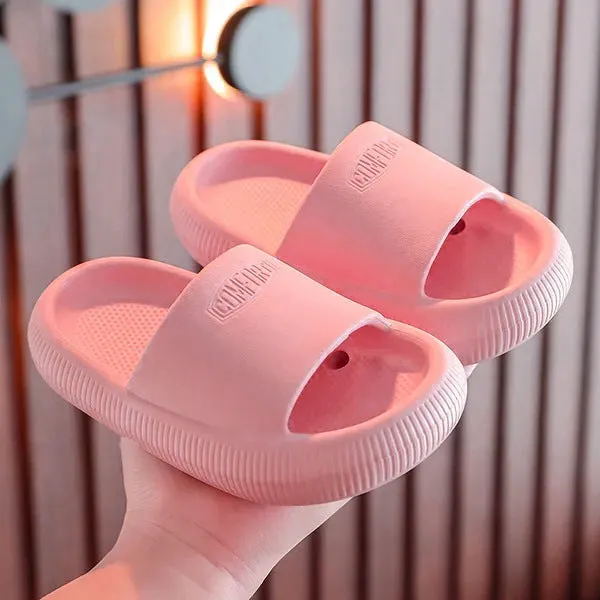
These slippers are intended as indoor footwear for children. Their design and stated features point towards specific use cases within the home environment.
Everyday Home Use
The primary use is for wearing around the house, providing a protective layer between feet and floors. The non-slip property is particularly relevant on hard surfaces like wooden, laminate, or tiled floors, where slips are a common concern. The wear-resistant claim suggests the soles are designed to withstand the scuffing and abrasion typical of active children moving between different indoor surfaces.
Event or Professional Use
While designed for home use, the simple construction and wipe-clean EVA material could also make them suitable for occasional use in other controlled indoor settings where casual, removable footwear is required, such as after swimming lessons or during certain childcare scenarios. Their bright colours aid in quick identification.
Benefits and Buying Value

The value of these slippers lies in their straightforward design, material choice, and the practical benefits derived from their stated features.
Reuse and Low Maintenance
EVA is a low-maintenance material that can be easily wiped clean with a damp cloth, supporting reuse over time. The one-piece, injection-moulded build minimises points where dirt can accumulate or where components might fail, contributing to a product that is easy to care for. Their simple design makes them quick to put on and take off, encouraging consistent use by children.
Why Choose This Product
This product offers a clear proposition: children's indoor slippers made from a single, practical material (EVA) via a durable construction method (injection moulding), with explicitly stated non-slip and wear-resistant functions. The choice is further defined by the availability of five distinct bright colours and a size range linked directly to foot length in centimetres, allowing for an informed selection based on two simple, concrete criteria: colour preference and accurate measurement.