
Ford VVT Oil Control Valve replacement part, compatible with Ford Mustang, Ford Explorer, Ford Conqueror, Lincoln Navigator and Mercury models, controls engine oil pressure for variable valve timing systems, exact OEM match 3L3Z6C535-AA


Ford VVT Oil Control Valve replacement part, compatible with Ford Mustang, Ford Explorer, Ford Conqueror, Lincoln Navigator and Mercury models, controls engine oil pressure for variable valve timing systems, exact OEM match 3L3Z6C535-AA
Ford VVT Oil Control Valve: OEM-Compatible Replacement for Mustang, Explorer and Lincoln Models

This oil control valve, also referred to as a variable valve timing (VVT) solenoid or OCV valve, serves as a critical component within the engine management systems of compatible Ford Motor Company vehicles. Its primary function is to regulate oil pressure, which in turn controls the actuation of the variable valve timing mechanism. A correctly functioning valve is essential for maintaining optimal engine performance, fuel efficiency, and emissions control. This part is manufactured to match the original equipment specifications, providing a direct replacement solution for vehicles experiencing issues related to VVT operation, such as rough idling, loss of power, or illuminated check engine lights.
Features and Construction

This replacement valve is engineered to integrate seamlessly with the vehicle's existing engine management and lubrication systems. It is designed to meet the performance requirements of the original Ford part, focusing on precise oil flow control to facilitate accurate valve timing adjustments.
Material and Build
The valve is constructed from automotive-grade materials, including metals and plastics selected for their durability in the high-temperature, high-pressure environment of an engine bay. These materials are specified to provide the necessary resistance to engine oil and heat, ensuring reliable operation over time. The build quality aims to replicate the fit, form, and function of the factory-installed component.
Compatibility and Fit
This part is verified for compatibility with a specific range of Ford Motor Company vehicles. This includes popular models like the Ford Mustang and Ford Explorer, as well as the Ford Conqueror, Lincoln Navigator, and Mercury brand vehicles. It matches several Original Equipment Manufacturer (OEM) part numbers, including 3L3Z6C535-AA, 3L3Z6C535AA, 8L3Z6M280B, and 3L3Z6M280EA, which confirms its intended application and ensures proper electrical and physical connection.
Uses and Placement
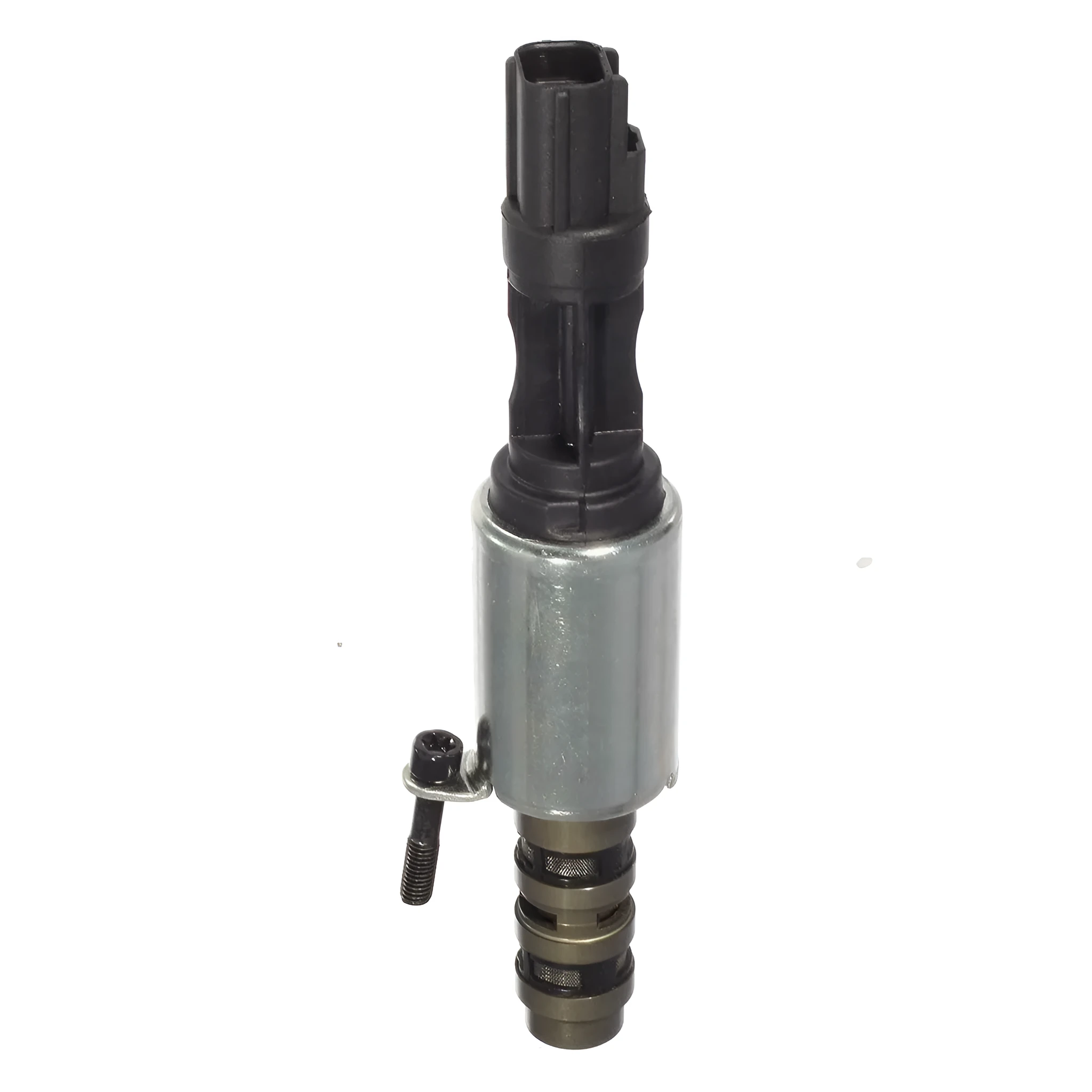
The valve is used specifically within the engine's variable valve timing system. It is installed on the engine, typically near the valve cover or timing chain area, where it receives electronic signals from the Engine Control Unit (ECU) and modulates oil flow to the VVT actuator.
Professional and DIY Use
This component is suitable for both professional garage use and for experienced DIY mechanics familiar with engine repair. It addresses a common point of failure in modern Ford engines, providing a solution for restoration of proper VVT function. Replacing a faulty valve can resolve driveability concerns and restore factory-designed engine performance.
System Function and Benefit
By precisely controlling oil pressure to the VVT actuator, this valve enables the engine to adjust valve timing dynamically. This optimises engine efficiency across different RPM ranges, contributing to improved power delivery, better fuel economy, and reduced emissions compared to a fixed valve timing system. A functioning valve is key to maintaining these engineered benefits.
Benefits and Buying Value

Choosing this specific replacement part offers practical advantages centred on fitment, compatibility, and restoring original system performance.
Precise Fit and Reduced Complexity
The primary benefit is a direct, OEM-specified replacement that eliminates guesswork regarding compatibility. Using a part that matches the factory numbers ensures correct electrical pin configuration, thread sizes, and port locations, simplifying the installation process and reducing the risk of leaks or connection errors.
Why Choose This Product
This product provides a targeted solution for owners of the listed Ford, Lincoln, and Mercury vehicles experiencing VVT-related issues. Its value lies in its confirmed application and its role in returning a complex engine system to its intended operating parameters. It represents a component-level repair that addresses the cause of performance problems, rather than just the symptoms.
