
Imported alloy micro-engraving bit made of tungsten carbide tungsten steel for high hardness and wear resistance in precision electronics circuit board and SMT hardware processing.


Imported alloy micro-engraving bit made of tungsten carbide tungsten steel for high hardness and wear resistance in precision electronics circuit board and SMT hardware processing.
Imported Tungsten Carbide Micro-Engraving Bits for Precision Electronics and Circuit Board Work

For professionals in electronics manufacturing, SMT assembly, die-making, and precision hardware processing, finding a reliable tool for micro-scale work is essential. These imported micro-engraving bits are made from cemented carbide, known as tungsten steel, a material selected for its high hardness and wear resistance. The complete range of specifications, from 0.10 mm to 2.00 mm in diameter, provides a tool for virtually any fine-detail task, ensuring you have the right bit for the job without compromise on material performance.
Features and Construction
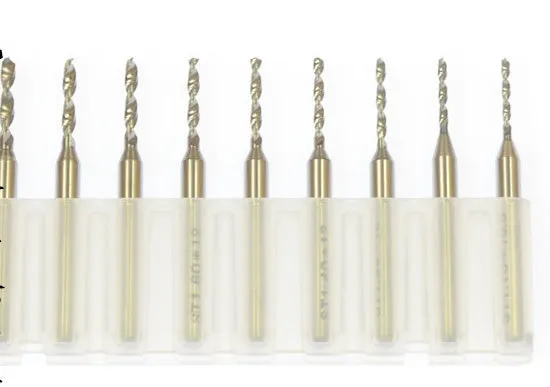
The construction of these bits is centred on the practical demands of precision machining. The material choice and available sizes are directly tied to solving specific challenges in high-detail fabrication work.
Material and Build
The core of this product's performance is its material: imported cemented carbide, commonly referred to as tungsten steel. The source text specifies that this material offers high hardness, high wear resistance, high strength, and resistance to bending and fracture. In practical terms, this translates to a cutting tool that can maintain a sharp edge longer than many standard steel bits when working on hard or abrasive materials, potentially reducing downtime for tool changes in continuous operations.
Size and Practical Fit
With diameters starting at a minute 0.10 mm and extending up to 2.00 mm, the specification range is notably comprehensive. This allows for extreme precision in applications like circuit board via drilling, micro-engraving serial numbers, or creating fine details in moulds and dies. The availability of specific sizes, such as 0.30 mm or 1.10 mm, means users can match the tool exactly to their technical drawings or process requirements, which is critical for consistency in manufacturing and repair work.
Uses and Placement
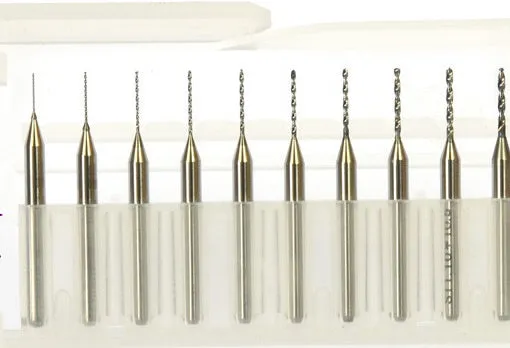
The application of these bits is clearly defined by the source material, focusing on industrial and technical sectors where precision is non-negotiable.
Event or Professional Use
In professional environments, these bits are suited for the industries explicitly mentioned: circuit board fabrication, electronics component work, SMT (Surface Mount Technology) assembly, die and mould making, and general hardware processing. Their use is in machinery such as precision engravers, PCB drilling machines, and small CNC mills where their material properties help achieve clean cuts and extended tool life in production runs.
Everyday Home Use
While primarily industrial, a hobbyist or modeller working on intricate projects, such as detailed scale model parts or custom jewellery making with hard materials, might also find the smaller diameter bits (e.g., 0.5 mm to 1.5 mm) applicable for high-detail work on a bench-top milling machine or rotary tool, provided they have the requisite skill and equipment.
Benefits and Buying Value
The value of these bits lies in their stated material properties and the practical utility of the size range offered, providing a focused solution for specific technical challenges.
Reuse and Low Maintenance
The high wear resistance of the tungsten carbide material suggests the potential for a longer usable life compared to less hard tools when used correctly. This can mean more work completed per bit and fewer interruptions for replacement, contributing to efficiency. Proper storage to protect the fine cutting edges, as mentioned in the usage guidance, is a simple step to preserve this value.
Why Choose This Product
Choosing this product is supported by its clear application range and material specification. For a technician needing a 0.15 mm bit for PCB repair or a workshop requiring a full set of bits from 0.5 mm to 2.0 mm for diverse jobs, the wide availability of sizes within one product line simplifies sourcing. The mention of ten-set packs for certain sizes (0.10, 0.30, 1.1 mm) also offers a practical bulk option for frequently used diameters, aiding in workflow continuity.